Keyword Finder
update

KeywordFinder

update
  • Home
  • Home
  • About
  • Features
  • Pricing
  • News
  • Blog
  • Login
  • All Posts
  • Keyword Research Basics
  • Keyword Tools
  • Occupations and Industries
  • Platforms
May 20.2025
1 Minute Read

Keyword vs Search Term: Why It Matters in SEO

Have you ever wondered why your SEO strategy isn't delivering the expected results? The difference between a 'keyword' and a 'search term' might hold the answer.

Understanding the Basics of Keyword vs Search Term

In the realm of search engine optimization (SEO), the distinction between a keyword and a search term is vital. At its core, a keyword is the set of words you target in your digital strategy to increase visibility. Meanwhile, a search term is what a search engine user types into the search box. By understanding this difference, businesses can better align their digital marketing efforts with user intent, thereby optimizing their search engine performance.

Imagine planning an ad group on Google Ads. The choice of keywords defines the ads you create and the audience you target. However, actual search terms reveal the language real users employ to find information. This difference fundamentally guides your SEO strategy toward more precise user targeting.

Definition and Importance of Keywords

The foundation of any SEO strategy rests on keywords, the carefully chosen set of words that encapsulate your content's topics. Keywords directly influence your site's ability to appear in both paid or organic search results. They are not just words but a bridge between the content you provide and the questions search engine users seek to answer. For instance, targeting exact keyword groups ensures your content aligns precisely with what users type in search engines, thereby increasing the relevancy and visibility of your pages.

Exploring the Concept of Search Terms

While keywords are determined by content creators, search terms originate from the queries users enter into search engines. These terms reflect the natural language and immediate needs of users. Understanding search terms involves analyzing the search queries that actually drive traffic to your site. This insight can significantly affect how effectively you tailor content to meet user needs, improving both search engine rankings and user engagement.

The Core Difference Between Keywords and Search Terms

While both keywords and search terms are crucial to SEO, they serve unique roles. Keywords are predefined, strategic targets, whereas search terms are actionable data points generated by users. For instance, a business may target the keyword "skinny jeans" on their e-commerce site, yet the search terms that bring traffic might include variations like "best skinny jeans for tall women" or "affordable skinny jeans sales." Recognizing and integrating these variations can elevate a site's SEO impact by aligning with actual search behaviors.

Comparison of Keywords and Search Terms
Aspect Keywords Search Terms
Definition Predefined words or phrases targeted by SEO strategy. Actual phrases entered by users into search engines.
Usage Used in content, meta tags, and ad campaigns to drive visibility. Analyzed to comprehend user intent and adjust strategies.
Examples "skinny jeans," "online marketing" "where to buy skinny jeans online," "best online marketing strategies 2023"

Search Term Strategy in Search Engine Optimization

Employing a search term strategy complements the utilization of keywords within your SEO blueprint. This approach focuses on direct insights from user behavior, ensuring that content and ads align more closely with user expectations and needs.

Why Search Terms Impact Your SEO Performance

The power of search terms lies in their direct connection to user behavior. When analyzed, they provide insights into the language users employ and their underlying intentions. This information can reveal gaps in your current keyword strategy and highlight areas for improvement. By adjusting your content and campaigns to reflect common search terms, you optimize the relevancy and effectiveness of your digital marketing, making search terms a crucial element for achieving higher conversions and lower bounce rates.
Integrating Search Terms: Best Practices

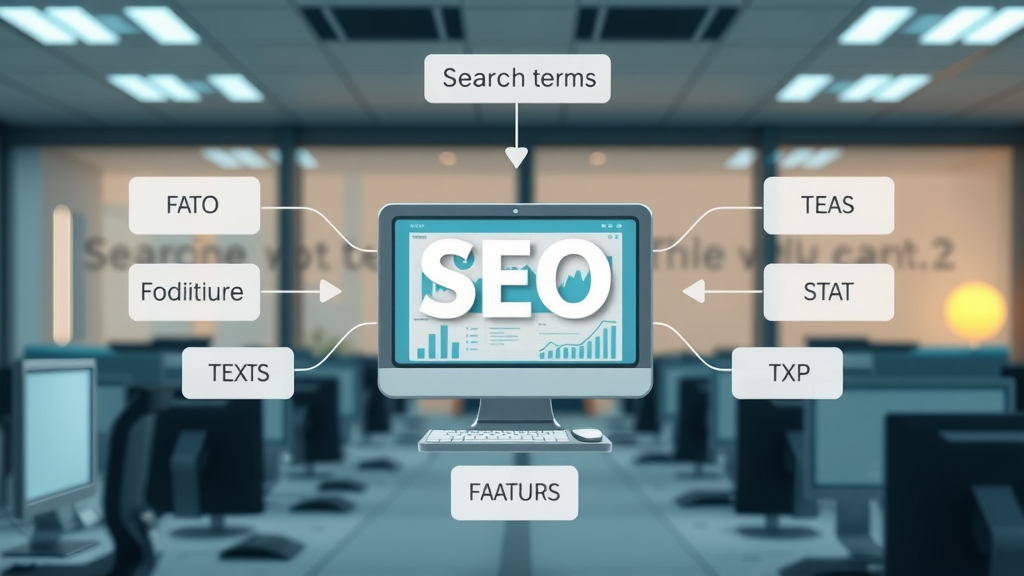
Effective integration of search terms requires a strategic approach. Start by utilizing tools designed to evaluate search queries and patterns, such as Google's Search Console. Analyze the data to identify frequently used terms and adapt your content accordingly, ensuring it matches user language and intent. By continuously monitoring shifts in search trends, you can adapt and refine your SEO efforts, maintaining alignment with evolving user behaviors.

In the world of SEO, understanding search terms sometimes proves more beneficial than just relying on well-researched keywords.

Keyword Strategy: A Vital Component for SEO Success

A strong keyword strategy forms the backbone of effective SEO. By selecting the right keywords, businesses can increase visibility and attract the right audience, ensuring that a site reaches its targeted user base.

Developing a Robust Keyword Strategy

Developing a keyword strategy involves comprehensive research to identify the phrases most likely to resonate with your target audience. This involves assessing search volume, competitiveness, and relevance to ensure a balance between accessibility and visibility. Utilizing a mix of broad match, exact match, and long-tail keywords helps in capturing a wide range of potential search queries, thereby enhancing the reach and effectiveness of your SEO strategy.

Keyword Match Types and Their Role in SEO

Understanding and implementing keyword match types is essential for fine-tuning SEO efforts. Match types, such as broad match, phrase match, and exact match, determine how keywords trigger your ad visibility across search engine results. Broad match reaches the widest audience by triggering your ad for related variations, while exact match requires a precise match to show your content, thereby ensuring your ads reach the precise segment intended.

Google Ads and How It Differentiates Keywords and Search Queries

In the complex landscape of digital marketing, Google Ads illustrates the nuanced differences between keywords and search queries. This distinction is critical for optimizing advertising efforts to maximize reach and efficiency.

Understanding the Role of Keywords in Google Ads

In Google Ads, keywords function as the backbone of ad targeting. They dictate when and where your ads appear, aiming to match user search queries with relevant content. By carefully selecting and bidding on keywords, advertisers can control the visibility and reach of their ads, improving their overall campaign performance and return on investment.

Google Ads' Use of Search Terms to Optimize Campaigns

Google Ads capitalizes on search term data to refine and optimize ad performance. By analyzing the search queries that triggered ads, marketers can adjust keyword strategies, refine ad copy, and enhance targeting methods. This process leads to improved alignment with user search behaviors, increased ad relevance, and better campaign outcomes.

Difference Between Keywords and Search Terms on Various Platforms

While Google might dominate, understanding the distinction between keywords and search terms is equally important across other platforms like Amazon and Bing.

Search Terms vs Keywords in Amazon SEO

On Amazon, the concept of search terms and keywords becomes particularly crucial. Unlike traditional search engines, Amazon's focus is transactional, aiming to convert searches into purchases. Here, understanding the nuances of search terms can help tailor product listings to match what potential buyers are looking for, thereby increasing both product visibility and conversion rates.

Cross-Platform Comparisons: Google, Amazon, and Bing

The distinction between keywords and search terms varies across platforms, each having its unique strategies. For instance, while Google emphasizes ad match types and search query analysis, Amazon focuses on converting searches to sales. Understanding these platform-specific distinctions allows marketers to finely tune their strategies to maximize effectiveness across different digital realms.

Each platform has its nuances in distinguishing between keywords and search terms, which ultimately impacts e-commerce strategies.

People Also Ask

What is the difference between search terms and keywords on Amazon?

On Amazon, a keyword is used by sellers to optimize their listings for search visibility, while a search term describes the words that buyers enter into the search bar. The key is to align listings with search terms used by potential buyers to improve product visibility and sales.

What is an example of a search term?

A search term is the exact phrase or question entered into a search engine. For example, "best vegan restaurants near me" is a search term that a user might type when looking for dining options.

What is the difference between key term and keyword?

A keyword is a specific word or phrase targeted for SEO purposes, while a key term serves as a broader concept or idea around which content may be structured. Both serve to guide the focus of content and improve search visibility.

Are the words search terms and keywords interchangeable?

No, search terms and keywords are not interchangeable. Keywords are planned and targeted within content and campaigns, whereas search terms represent actual user input during search activities, providing insight into user language and intent.

Common Misconceptions and FAQs

Misconceptions About Keywords and Search Terms

One common misconception is that keywords and search terms are identical. However, this overlooks the dynamic nature of real-time searches and user behavior. Another belief is that relying solely on keywords suffices for effective SEO, but this strategy often misses the real intent and language of users, leading to missed opportunities.

Frequently Asked Questions about Keywords and Search Terms

Frequently asked questions often revolve around distinctions between keywords and search terms, their effectiveness, and their roles in advertising platforms like Google Ads. Understanding these elements ensures a more robust and adaptive SEO and SEM strategy.

Conclusion and Future Outlook

The Fundamental Takeaways: Keywords vs Search Terms

Keywords and search terms both have pivotal roles in SEO and SEM, leveraging them effectively requires a nuanced understanding of their differences.

Future Trends in SEO: Adjusting Strategies

In future strategies, greater emphasis will be placed on user experience and real-time search data to inform and guide keyword and search term strategies.

Conclusively, an effective SEO strategy requires a balanced understanding and application of both keywords and search terms for sustained success.

Keyword Tools

Write A Comment

*
*
Please complete the captcha to submit your comment.
Related Posts All Posts
05.22.2025

Keyword Tool IO vs Moz: Tool Breakdown for 2025

Are you still torn between choosing Keyword Tool IO and Moz as your go-to SEO tool for 2025? With advanced features and robust capabilities, both platforms offer unique benefits that could significantly impact your digital marketing strategy. Dive into this comprehensive comparison to discover which tool aligns best with your needs. Exploring the Differences Between Keyword Tool IO and Moz When it comes to keyword research tools , understanding their core differences can greatly influence your choice. While Keyword Tool IO focuses on generating a multitude of keyword suggestions from various sources, Moz is renowned for its comprehensive SEO tool suite, which includes Moz Keyword Explorer and the Google Keyword Planner . Each tool offers distinct features that cater to different user needs. Keyword Research Tool Comparison In the realm of keyword research , Keyword Tool IO excels by sourcing keyword ideas from search engines, social media, and other platforms, enabling marketers to explore a wide array of keyword data . On the other hand, Moz provides detailed metrics like keyword difficulty scores and search volume , allowing for a more analytical approach to building content strategies. For those interested in AI-powered keyword research, consider exploring Keyword Finder for additional insights. Understanding Each Research Tool's Functionality Both tools offer distinct functionalities that cater to diverse SEO strategies. While Keyword Tool IO focuses on simplicity and wide-ranging keyword generation, Moz offers features like competitor analysis and serp analysis , making it ideal for those who need deeper insights into search engine performance. Understanding these functionalities is key to harnessing the full potential of these research tools . Key Features: Keyword Tool IO vs Moz Key features can distinguish tools in terms of user preference and utility. While both offer a robust suite of features, their primary differences lie in the keyword planner and research tools . Feature Highlight: Keyword Planner and Research Tools The keyword planner in Moz integrates with various SEO tools , offering features like tracking search trends and incorporating social metrics. Conversely, Keyword Tool IO , through its focus on simplicity, provides straightforward keyword harvesting from search engines and online platforms for rapid content idea generation. SEO Tools and Keyword Explorer Capabilities The role of seo tools in digital marketing cannot be overstated. Moz 's Keyword Explorer offers advanced filtering options that assist in tailoring keyword lists for specific content strategies . Furthermore, its ability to predict search volume and difficulty makes it indispensable for strategic planning. Comparing Search Volume Analysis and Free Version Options Comparing the free versions of both tools, Keyword Tool IO offers a simple yet effective option for generating keyword ideas, while Moz provides limited searches accompanied by insights into search volume and click-through data. These differences may impact user choice, depending on the depth of analysis required. The Role of Moz Keyword Explorer in Content Strategy The integration of Moz Keyword Explorer into a content strategy can transform how content is strategized and implemented. Its insightful metrics aid in identifying content ideas that resonate with audience interests by pinpointing the most impactful search results . As a component of research tools , it provides strategic data-driven insights. Pros and Cons: A Balanced Review of Both Tools A balanced view of these tools highlights their individual strengths and limitations. While Keyword Tool IO is celebrated for its ease of use, Moz is revered for its detailed analytic features and in-depth competitor analysis . Advantages Unique to Keyword Tool IO Some of the notable advantages of Keyword Tool IO include its capacity for extensive keyword ideas , a user-friendly interface, and integration with various platforms for seamless keyword discovery. Its direct approach to generating keywords without complications is particularly appealing to beginners. Strengths and Limitations of Moz as a Keyword Research Tool Though Moz offers powerful insights through its metrics, its keyword research tool can overwhelm users with complexity. However, its detailed insights into metrics like keyword difficulty , coupled with its backlink analysis capabilities, make it a strong choice for experienced marketers seeking detailed SEO analytics. Real-world Applications: How They Influence SEO Strategies Leveraging Keyword Tools in SEO Planning Incorporating keyword tools into your SEO planning can have a profound impact on your digital marketing outcomes. These tools provide essential insights into search engines and help optimize for tail keywords , facilitating refined targeting and improved search performance. Optimizing for Tail Keywords and Seed Keywords Focusing on both tail keywords and seed keywords is essential for capturing specific niches and enhancing SEO efforts. Both Keyword Tool IO and Moz can aid in identifying valuable keywords that align with your audience's search intent, ensuring the creation of highly optimized content. Cost Analysis: Evaluating the Investment Consider the investment in these tools versus the expected ROI as part of your decision-making process. The pricing and scalability of each tool can impact budget allocations for SEO campaigns. Pricing Structures of Keyword Tool IO and Moz Pricing structures vary greatly between Keyword Tool IO and Moz . While Keyword Tool IO offers a range of payment models that are cost-effective for basic keyword research, Moz provides a more comprehensive package that includes multiple SEO tools , priced accordingly for its advanced features. Considering ROI in Your Research Tool Selection Evaluating the ROI of these tools necessitates a close look at how effectively they can drive your marketing efforts. The true value of seo tools lies in their ability to enhance visibility, attract relevant traffic, and contribute to long-term business growth. User Experience: Interface and Usability Usability and user interface design significantly influence user satisfaction and tool effectiveness. Approaches to interface design can determine the learning curve and overall efficiency in using these platforms. Intuitive Design and User-Friendly Features Both Keyword Tool IO and Moz cater to users through intuitive designs that simplify navigation. While Keyword Tool IO focuses on straightforward functionalities, Moz offers more complexity, which may require a steeper learning curve but rewards users with deeper insights into search engine behavior and optimization potential. Comparative Insights from Users User feedback highlights both the strengths and obstacles faced while using these research tools . While some users appreciate Keyword Tool IO 's simplicity, others lean towards Moz for its comprehensive data offerings, despite its complexity. Final Verdict: Which Tool Stands Out in 2025? As we evaluate both tools, certain strategic considerations come to the fore. Keyword Tool IO's ease of integration makes it accessible for fast-paced environments, whereas Moz provides an in-depth analytical edge for detailed marketing plans. Weighing the Specifications of Keyword Tool IO vs Moz The decision between these tools should be guided by the specific needs of your content strategy and the depth of analysis you require. Whether favoring one tool over the other can transform your SEO strategies and influence future outcomes. Strategic Considerations for Choosing the Right SEO Tool Consider your objectives, budget, and the specific functionalities most relevant to your industry. Whether it’s research tools for in-depth content strategies or quick keyword generation, aligning tool choice with your strategic goals is crucial. People Also Ask Which Keyword Tool is Most Accurate? Explore accuracy metrics and customer feedback for insight. Is Moz Good for Keyword Research? Examine Moz's capabilities in delivering accurate keyword research and data-driven insights. Is KeywordTool.io Good? Assess Keyword Tool IO's feedback and its ability to meet user expectations. What is the Alternative to KeywordTool.io? Identify viable alternatives that complement your keyword research needs in 2025. Comprehensive Summary: What You'll Learn Key takeaways from the keyword tool comparison: Understand distinctions and best uses for each tool. Table of Tool Features and Comparisons Feature Keyword Tool IO Moz Ease of Use High Moderate Analytics Depth Basic Advanced Keyword Suggestions Extensive Moderate SEO Tool Integration Basic Comprehensive Insightful Quotes from SEO Experts “Keyword research is the backbone of digital marketing success.” - SEO Expert Conclusion Synthesizing Insights for Effective Choice Making Understanding the strengths of Keyword Tool IO and Moz will guide you in making informed decisions for your SEO strategies in 2025.

05.22.2025

Serpstat vs SEMrush: SEO Showdown of the Year

In today's digital age, the demand for sophisticated SEO tools is more critical than ever. Did you know that a small adjustment using the right SEO tool can increase organic traffic by over 100%? Serpstat and SEMrush stand out as the frontrunners in this arena, each offering distinctive strengths and features tailored to enhance your online visibility and search engine dominance. But which one truly reigns supreme? The Ultimate SEO Tools: A Closer Look When it comes to SEO tools , both Serpstat and SEMrush have carved out reputations as giants in the digital marketing world. These platforms offer comprehensive solutions for keyword research, rank tracking, backlink analysis , and more. Both aim to optimize your digital footprint, but how they achieve this varies significantly. Let’s delve into the unique offerings of each to determine which might be the best fit for different SEO needs. Key Features of Serpstat and SEMrush Keyword Research Capabilities Keyword research is the cornerstone of any effective SEO strategy. Serpstat excels with its intuitive interface and robust features that allow for in-depth analysis of keyword difficulty and search volume . Its keyword clustering aids in segmenting keywords into meaningful groups, which enhances targeted content strategies. Conversely, SEMrush offers a Keyword Magic Tool , known for its expansive database and precise metrics, empowering users with critical insights into potential ranking keywords. For those seeking an AI-powered approach, consider exploring the Keyword Finder for advanced keyword research capabilities. Rank Tracking and Site Audits Both platforms provide advanced rank tracking . SEMrush offers more granular insights with its daily tracking option, proving indispensable for dynamic market monitoring. Serpstat , while slightly less frequent in updates, provides detailed reports that are incredibly user-friendly. In terms of site audits , SEMrush remains a favorite among users, offering comprehensive audit features that highlight SEO health, whereas Serpstat focuses more on ease of navigation in its audits. Strengths and Weaknesses of These SEO Tools Serpstat: Pros and Cons Competitor Analysis and Backlink Gap Competitor analysis with Serpstat is particularly robust, offering actionable insights into competitor strategies. The backlink gap feature identifies opportunities where competitors have backlinks that you might be missing. However, some users find the lack of real-time API access somewhat limiting, as data can occasionally be outdated compared to others in the market. SEMrush: Pros and Cons Backlink Analysis and API Access One of SEMrush's standout features is its detailed backlink analysis . This tool provides a comprehensive look at backlink profiles, highlighting areas for improvement and potential high-authority link opportunities. Furthermore, SEMrush offers robust API access , which is a boon for developers looking to integrate SEO data into custom applications. However, the extensive amount of data and options can come off as overwhelming for new users. In-Depth Comparison: Serpstat vs SEMrush User Interface and Experience When judging user interface , simplicity versus complexity is the main differentiator. Serpstat 's interface is lauded for its intuitive navigation and easy access to essential features, making it an excellent choice for those new to SEO tools. Alternatively, SEMrush offers a more comprehensive suite with numerous features, ideal for those who prefer depth and detail, albeit with a steeper learning curve. Pricing and Value for Money Subscription Plans and Free Trials SEMrush offers a variety of subscription plans, targeting everyone from freelancers to large corporations with tailored pricing. Each plan comes with a free trial period, allowing users to explore its vast capabilities without immediate financial commitment. Serpstat offers comparably flexible pricing, often edging out SEMrush in terms of value, particularly for smaller enterprises and individuals focusing on value-driven solutions. Integration with Social Media and Other Marketing Tools Both tools offer integrations with various social media and marketing tools , though SEMrush's more extensive network of integrations provides broader utility. These integrations allow for seamless data syncing, enhancing the depth of marketing strategies across multiple channels. The Role of Content and Marketing Tools Content Marketing Strategies Successful content marketing hinges on leveraging SEO tools to maximize impact. Serpstat and SEMrush provide resources that can identify trending topics and optimize content layout for better reach and engagement. By utilizing keyword insights, these tools empower marketers to craft content that aligns with consumer interests, driving higher engagement rates and better visibility. Search Volume Insights and Trends Understanding search volume trends is crucial for predicting market shifts and adjusting strategies accordingly. Both Serpstat and SEMrush offer insights into emerging trends, providing tools for proactive adjustments rather than reactive fixes, enabling marketers to remain ahead in the fast-paced digital landscape. Your browser does not support the video tag. People Also Ask Is there anything better than SEMrush? Determining a tool better than SEMrush depends largely on specific SEO needs. While SEMrush remains robust, options like Ahrefs and Serpstat provide compelling alternatives with unique strengths such as competitive pricing or more intuitive user interfaces. What is Serpstat used for? Serpstat is used for comprehensive site audits, keyword research , and competitor analysis . It's tailored to help identify SEO opportunities and track performance metrics in a user-friendly interface. Is SEMrush a Russian company? SEMrush was founded in Russia but is globally based, with several international offices. It is a publicly traded company on the NYSE and is recognized worldwide as a leading SEO platform. Is Serpstat free? Serpstat offers a free, limited version, but full access to its features requires a subscription. Its tiered pricing ensures accessibility to a range of users, from beginners to seasoned SEO professionals . Expert Opinions and Industry Insights "Both Serpstat and SEMrush have proven indispensable in the competitive world of SEO . While they have unique advantages, selecting between them should depend on your specific needs and how well each aligns with your goals." – SEO Expert Jane Doe Conclusion: Which SEO Tool is the Best for You? Final Thoughts on Serpstat vs SEMrush The choice between Serpstat and SEMrush ultimately hinges on your specific needs. If you're seeking depth and broad integrations, go for SEMrush. For intuitive design and value-centric solutions that fit budget-conscious plans, Serpstat could be your winner. Detailed comparison of Serpstat and SEMrush features and pricing Feature Serpstat SEMrush Keyword Research Advanced clustering Magic Tool insights Site Audit User-friendly navigation Comprehensive reporting Backlink Analysis Gap identification Extensive API integration Serpstat Pros: User-friendly interface, value for money, excellent competitor analysis. Serpstat Cons: Limited API access, slightly less frequent updates. SEMrush Pros: Extensive data features, robust API, detailed site audits. SEMrush Cons: Higher learning curve, potentially overwhelming for beginners. FAQs How do Serpstat and SEMrush compare in terms of pricing? What is the best SEO tool for keyword research? Can SEMrush integrate with other marketing platforms? Are there free alternatives to these SEO tools?

05.22.2025

Google Keyword Planner vs Serpstat Compared

Did you know that companies utilizing comprehensive keyword research tools see up to a 40% increase in search engine rankings? In the digital marketing arena, understanding and utilizing the right SEO tools can make all the difference. Why Compare Google Keyword Planner and Serpstat? Understanding the Need for Effective Keyword Research The landscape of keyword research is ever-changing, where both novice and seasoned marketers are constantly seeking the most effective research tools to bolster their strategies. When it comes to contrasting Google Keyword Planner and Serpstat, the focus is on leveraging their unique strengths to enhance your SEO strategy . Both tools offer distinct keyword data metrics that cater to different marketing needs. The Impact of Keyword Research on SEO Strategy “Keyword research is an essential SEO strategy that can transform your online visibility.” The quote encapsulates the importance of using keyword research tools in driving organic traffic and ensuring that your content appears in relevant search queries. Effective use of these tools can significantly improve your site's rankings and tailor your content to meet user expectations. Overview of Google Keyword Planner and Serpstat Features of Google Keyword Planner Core Functions of Google Keyword Planner Comprehensive keyword research Accurate keyword data Effective keyword planner tools Google Keyword Planner is a powerful keyword tool designed to assist users in building robust SEO campaigns. It integrates seamlessly with Google Ads, allowing users to plan their SEO and PPC strategies in alignment. However, its reliance on Google’s database might restrict keyword diversification. Features of Serpstat Core Functions of Serpstat Advanced SEO tools Keyword explorer Rich database for keyword research Serpstat is known for its expansive set of SEO tools that extend beyond basic keyword research . Its keyword explorer function is particularly praised for providing insights into seo professionals with precise search volume and keyword difficulty , thereby offering a comprehensive view of the competitive landscape. Comparing Keyword Research Tools: Google Keyword Planner vs Serpstat Usability and User Interface User Experience with Google Keyword Planner Google Keyword Planner offers a straightforward, user-friendly interface, conducive to both beginners and experienced users. Its integration with Google Ads creates a seamless experience for those who simultaneously use Google’s advertising platform. User Experience with Serpstat Serpstat, while feature-rich, can be daunting for newcomers. Its interface is packed with diverse functionalities that might overwhelm users not accustomed to advanced seo tools . However, for experienced users, the tool’s in-depth metrics and insightful analytics can far outweigh this challenge. Keyword Data Accuracy Both Google Keyword Planner and Serpstat strive to provide accurate keyword data but vary in their approaches. Google’s planner offers data closely tied to Google searches, while Serpstat pulls from multiple sources to give a broader scope. Tool Keyword Data Accuracy Rating Google Keyword Planner High (Google-based) Serpstat Broad (Multi-source) Pricing and Value for SEO Tools Cost Analysis of Google Keyword Planner Google Keyword Planner is free when paired with a Google Ads account. This makes it particularly attractive to those starting with digital marketing. However, its capabilities are somewhat limited beyond its core suite. Cost Analysis of Serpstat Serpstat offers tiered paid plans, starting from basic to comprehensive packages. While the initial cost could be a barrier for small companies, the extensive features available across its tools represent value for businesses looking to scale their SEO and PPC efforts. Advantages and Disadvantages of Each Search Tool Pros and Cons of Google Keyword Planner Pros: High credibility, integration with Google Ads. Cons: Limited to Google data, basic for advanced needs. Pros and Cons of Serpstat Pros: Multifunctional with a vast keyword database. Cons: Potentially overwhelming for beginners, cost considerations. People Also Ask Is there any SEO tool as good as Google Keyword Planner? An evaluation of alternatives to Google Keyword Planner. While Google Keyword Planner is an efficient keyword tool , alternatives like SEMRush and Ahrefs offer extensive analysis features, especially in exploring tail keywords and site audits. Each tool, including Serpstat, offers unique strengths, catering to various user preferences and needs. Which Keyword Planner is best? Factors to consider in choosing the best keyword planner. Choosing the best keyword planner depends on your specific goals and resources. Google's planner is ideal for those highly integrated with Google services, whereas Serpstat offers a broader keyword explorer experience, valuable for deeper insights. For a more AI-driven approach, consider exploring Keyword Finder , which offers advanced keyword research capabilities. Does Google Keyword Planner still exist? The current status and availability of Google Keyword Planner. Yes, Google Keyword Planner is still operational and remains a crucial component of Google's advertising ecosystem. It continues to be a preferred choice for integrating keyword strategies with Google Ads campaigns. Which is better, SEMRush or Google Keyword Planner? A detailed comparison of SEMRush versus Google Keyword Planner. SEMRush provides a wider range of functionalities beyond basic keyword research . It offers extensive competitor analysis and backlink checks, which might surpass Google Keyword Planner in depth but comes at a premium price. Real User Testimonials Read what SEO professionals and regular users have to say about these tools. Users speak highly of Serpstat's analytical depth, while Google's reliability and ease of use are consistently praised. Many appreciate the seamless integration of Google Keyword Planner into existing Google accounts, making it a staple for personal and professional use. SEO Strategy Enhancement with Keyword Research Tools Integrating Tools into Your SEO Strategy Steps to incorporate these search tools into an effective SEO strategy. To maximize the benefits of these research tools , start by defining your campaign goals and the target audience . Utilize Google Keyword Planner for initial research and local SEO needs, while employing Serpstat for a more comprehensive analysis of long-tail keywords and competitive insights. Additionally, consider using Keyword Finder for AI-powered keyword suggestions that can further refine your strategy. Conclusion Final Thoughts on Google Keyword Planner vs Serpstat Key takeaways and final recommendations. Both Google Keyword Planner and Serpstat offer unique benefits that can significantly enhance your SEO strategy . Tailor your choice based on your specific needs and scale requirements. Call to Action Explore These Tools and Boost Your SEO Try both Google Keyword Planner and Serpstat to redefine your keyword strategy. We encourage you to explore both tools to fully leverage the power of keyword research tools in propelling your online presence. For an innovative approach, don't forget to check out Keyword Finder for AI-driven insights.

Terms of Service

Privacy Policy

Core Modal Title

Sorry, no results found

You Might Find These Articles Interesting

T
Please Check Your Email
We Will Be Following Up Shortly
*
*
*