
Keyword Finder
update

KeywordFinder

update
  • Home
  • Home
  • About
  • Features
  • Pricing
  • News
  • Blog
  • Login
  • All Posts
  • Keyword Research Basics
  • Keyword Tools
  • Occupations and Industries
  • Platforms
April 16.2025
1 Minute Read

Unlock Success: Keyword Research for Travel Agents

Unlock Success: Keyword Research for Travel Agents

Did you know that 75% of people never scroll past the first page of search results? This highlights the critical need for effective keyword research, especially for travel agents looking to maximize their visibility online. This article serves as your guide to navigating the complexities of keyword research, tailored specifically for travel agencies. By the end, you'll understand how to harness the power of keywords to rank higher in search engine results and engage more effectively with your audience.

The Importance of Keyword Research for Travel Agents

Understanding Keyword Research in Travel SEO

Keyword research is an integral part of travel SEO that allows travel agents to understand what potential customers are searching for. By identifying the right keywords, you can optimize your content, helping it stand out in search engine results. This involves use of SEO keywords and tail keywords tailored to target your audience effectively. For example, if you're focusing on luxury travel, phrases like "luxury vacation packages" or "elite travel experiences" can be more beneficial.

Key Benefits of Effective Keyword Research

In-depth keyword research is a cornerstone of any successful SEO strategy as it provides valuable insights into consumer behavior. Understanding search volumes and trends allows travel agencies to capitalize on popular travel keywords, ensuring higher visibility in search results. As a result, keyword research doesn't just boost traffic; it targets the right kind of audience, ultimately enhancing conversions and business growth.

“In-depth keyword research is the cornerstone of any successful SEO strategy.”

Travel Agency SEO: Laying the Foundation

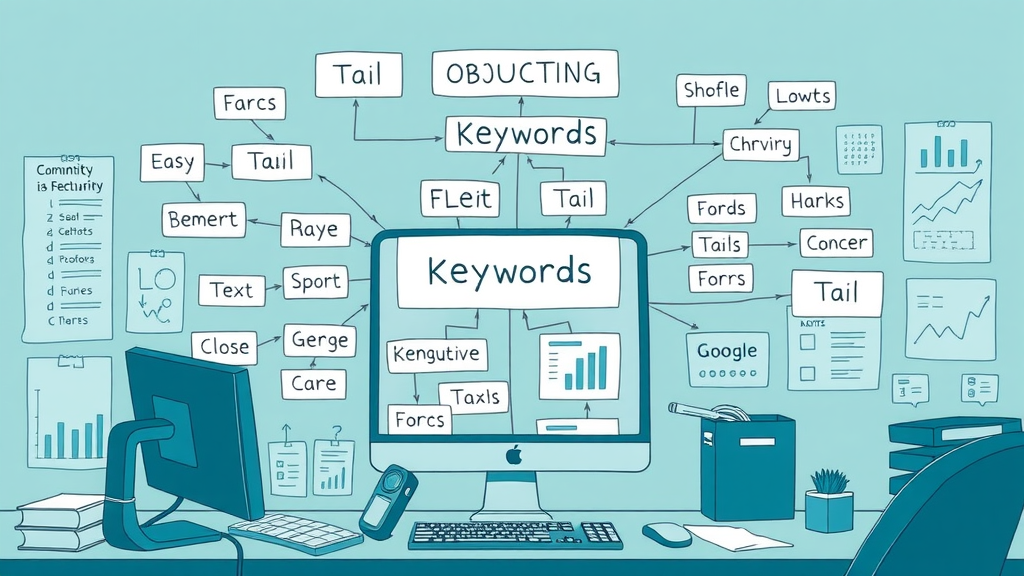
Incorporating Tail Keywords for Precision

Tail keywords, typically longer and more specific phrases, play a crucial role in refining travel agency SEO strategies. These keywords help you connect with potential clients who are closer to making a purchasing decision. For instance, rather than just using "beach vacations," consider incorporating specific tail keywords like "affordable Florida beach vacations for families." This specificity helps tailor your content to meet precise user intents, thereby increasing the likelihood of conversions.
Building an SEO Strategy with Targeted Travel Keywords

A well-constructed SEO strategy hinges on selecting and implementing the right travel keywords. Start by conducting thorough research to identify which keywords resonate most with your target audience. These keywords should reflect the core services your travel agency offers. By using these keywords strategically in your website and marketing materials, you can optimize your online presence and rank higher in search results, attracting organic traffic and potential customers.

Harnessing Advanced Tools for Keyword Research

Leveraging Google Keyword Planner for Travel Keywords

The Google Keyword Planner is a valuable tool for discovering travel-related keywords that can enhance your online presence. It provides insights into keyword trends, search volumes, and competition levels, enabling travel agents to make informed decisions. Using this tool, you can focus on specific keywords that have significant search volumes but are not overly competitive, ensuring a balance between visibility and attainability.

Utilizing Keyword Research Tools for Travel Agents

There is a plethora of keyword research tools available that can complement your efforts. Tools such as Keyword Finder, SEMrush, Ahrefs, and Ubersuggest offer detailed insights and analytics, helping travel agents to understand which keywords drive the most traffic. These tools also provide data on related keywords and keyword difficulty, which are essential in crafting a robust SEO strategy. By leveraging these resources, travel agencies can ensure they are targeting their efforts effectively.

Comparison of Top Keyword Research Tools
Tool Features Best For
Google Keyword Planner Identifying search volume, keyword suggestions Basic strategy formulation
SEMrush Comprehensive SEO analysis Competitive analysis
Ahrefs Backlink tracking, keyword explorer Link building

Optimizing Content for Travel Agency SEO

Creating Compelling Content with Travel Keywords

To effectively leverage travel keywords, content must be both compelling and optimized. High-quality content that naturally incorporates keywords attracts search engines while engaging your audience. Use varied content forms, like blogs, listings, and guides, tailored around targeted travel keywords to improve search visibility. Creativity and relevance are key; for instance, a blog titled "Top 10 Tropical Destinations for 2023" sprinkled with travel keywords will likely attract and retain reader interest.

Engaging Your Target Audience through Content

Your content should speak directly to your target audience, addressing their desires and pain points through informative and engaging narratives. An understanding of your audience's preferences guides you in crafting content that resonates with them, whether they're adventure seekers or those looking for tranquil retreats. Through effective content, your travel agency can build strong relationships, turning potential clients into loyal customers.

Applying Local SEO Strategies to Boost Visibility

Enhancing Local SEO with Specific Keywords

The role of local SEO cannot be understated for travel agents aiming to capture regional audiences. By using specific keywords related to local landmarks or popular attractions, your agency can enhance its visibility within search engines for local searches. This includes optimizing your Google My Business profile and getting reviews from local clients, which collectively drive more local traffic to your business.
Adapting Travel Services to Meet Local Demands

Customizing your travel services to cater to local demands can distinguish your agency from competitors. This involves offering niche packages, like heritage tours or unique local experiences, marketed through specific travel keywords. As travelers today seek authenticity, providing services that reflect the local culture can not only attract attention but also guarantee customer satisfaction and repeat business.

Measuring the Success of Your Keyword Strategy

Tracking Search Volume and Traffic Trends

Measuring the success of your keyword strategy involves monitoring search volume and traffic trends. Use analytics tools to track changes in website traffic and visitor behavior, ensuring that your efforts are yielding tangible results. By identifying trends in search results and user interaction, you can refine your strategy for even better outcomes, aligning your goals with ongoing market shifts.

Adjusting Strategies with Real-Time Data

To remain competitive, travel agents must be agile, adapting strategies based on real-time data. This involves regularly updating keywords based on emerging trends and analyzing data from keyword research tools to stay ahead of competitors. Adjusting your strategy ensures it remains aligned with user interests and search engine algorithms, maintaining high search rankings and maximizing visibility.

Addressing Travel Agents' Concerns

What are the keywords for travel?

Travel keywords vary widely depending on your services but generally include phrases like "luxury travel," "budget tours," and "adventure vacations." Identifying what resonates with your audience is critical to selecting the right keywords.

How do I find good research keywords?

Use tools like Keyword Finder and Google Keyword Planner to identify high-volume, low-competition keywords. Analyzing search trends in your niche can also reveal valuable insights for keyword selection.

How do I market myself as a travel agent?

Enable yourself with a strong digital presence through a user-friendly website, active social media engagement, and regular content updates. Networking in the industry also boosts personal brand recognition.

How do travel agents find good deals?

Building relationships with travel service providers and subscribing to industry newsletters are effective ways for travel agents to find exceptional deals advantageous to clients.

Enhancing Your Marketing Strategy

Marketing Yourself as a Travel Agent

Agents can effectively market themselves by establishing clear communication channels and leveraging digital platforms. A well-thought-out marketing strategy helps position your brand in the travel industry. Use SEO keywords, tailor promotions to your target audience preferences, and remain engaged across social media platforms to reinforce a trustworthy and approachable image.

Finding Great Deals to Offer Clients

To offer exceptional deals, it's vital to stay informed about current market trends and collaborate with various service providers. Networking at travel industry events and cultivating partnerships can unveil golden deal opportunities, ensuring that your agency stands out by providing value to clients.

“A well-researched keyword can drastically improve a travel agency's online visibility.”

FAQs About Keyword Research for Travel Agents

  • Q: What are the keywords for travel?
    A: Keywords can include specific phrases like "luxury getaways" or "family-friendly vacations," dependent on the services you provide.
  • Q: How do I find good research keywords?
    A: Leverage research tools and analyze market demand to uncover effective keywords for your travel niche.
  • Q: How do I market myself as a travel agent?
    A: Enhance your digital presence, engage with audiences through social media, and network within the industry to build your brand.
  • Q: How do travel agents find good deals?
    A: By building relationships with vendors and regularly attending industry conferences to secure the best possible offers.

Summarizing Your SEO Strategy for Continued Success

Key Takeaways from Effective Keyword Research

Successful keyword research requires an understanding of your target audience, competitor analysis, and utilization of research tools. Prioritizing specific keywords tailored to your audience's needs will enhance your online visibility.

Adopting a Proactive Approach to Travel SEO

A proactive strategy involves continuously updating your keywords, adapting to industry changes, and engaging with your audience for feedback. Regularly assess your SEO tactics to maintain and improve your search engine rankings.

“Continuous learning and adaptation are crucial in mastering SEO for travel agencies.”

Conclusion

To thrive in the digital landscape, consistently update your keyword strategy, engage your audience with targeted content, and leverage SEO tools. These steps will ensure your travel agency's sustained success and visibility online.


Occupations and Industries
Related Posts All Posts
05.21.2025

Keyword Research For Solar Energy

Did you know that search engines play a gigantic role in how quickly businesses in the renewable energy sector gain traction? Embracing keyword research for solar energy is not just about appearing in search results—it's about driving business growth and prominence in a competitive industry. Unveiling the Potential of Keyword Research for Solar Energy The potential of keyword research in solar energy is monumental. By understanding and implementing high-ranking solar keywords , companies can elevate their SEO efforts, driving more potential customers their way. It’s pivotal to integrate this into your strategy to improve search results visibility and align your offerings with what users are searching for. Statistical Insights: A Competitive Advantage Statistics reveal that renewable energy searches have a continually rising monthly search volume , indicating increased interest and potential market growth. Leveraging these statistics can provide a competitive edge, allowing businesses to capitalize on emerging trends in solar energy and mold their strategies around data-driven insights. Top Keywords for Solar Energy: A Strategic Asset renewable energy solar keyword seo keyword Effective Keyword Strategies for Solar Companies Harnessing SEO Keywords for Maximum Impact For solar companies , utilizing solar keywords effectively is crucial in capturing targeted traffic. Aligning your content with these keywords not only improves your seo strategy but also ensures better engagement and result conversions. Your website becomes a magnet for users engaged in online searches related to solar power solutions. Optimize your website with solar keywords and energy keywords . Understanding the Importance of SEO in Solar Energy Enhancing Your Visibility with SEO Strategies The importance of a solid solar seo plan cannot be overstated. Newer solar companies can dramatically improve their digital footprint by strategically adapting SEO practices. Focusing on integrating relevant solar energy keywords , and frequently updated solar panel phrases , ensures your business remains at the forefront of any search engine result. Focus on solar energy keywords and integrating solar panel phrases. Crafting Marketing Strategies with Solar SEO Leveraging Social Media for Increased Reach Utilizing social media channels can significantly broaden your business's reach. A well-executed marketing strategy that incorporates both general solar terms and niche-specific content will connect you with diverse audiences. Building engagements through social media platforms will enable solar firms to tap into fresh demographics and potential customers . Incorporate marketing strategies and general solar terms to reach a broader audience. Effective Research Techniques for Optimal Results Engage with Data-Driven Approaches Adopting data-driven methods in keyword research delivers more targeted and informed outcomes. By tapping into search engine insights, solar companies can craft meticulous seo strategy plans that resonate with their target audiences. This includes understanding geographic location nuances and trending searches related to solar. Utilize search engine insights and develop seo strategy plans. People Also Ask: Answering Common Inquiries What are the keywords of energy? The keywords of energy often include critical terms like renewable energy , solar power , and energy conservation . These reflect the most common areas of interest and search intent within the energy sector. How do you write a research paper for solar energy? Writing a research paper for solar energy involves a detailed exploration of current technologies, market trends, and future projections. Start by reviewing literature related to solar technologies and frameworks, drawing insights from current data, and proposing new avenues for research or implementation. What is solar energy in simple words? In simple terms, solar energy is the power harnessed from the Sun's rays, which can be converted into electricity or heat using solar panels or other solar technologies, making it a pivotal component of renewable energy resources. What is a good slogan for solar energy? A good slogan for solar energy might be "Harness the Sunshine, Power Your Future," capturing the essence of a clean, efficient power source aligned with a sustainable future. In-Depth Video Tutorials on Solar Keyword Strategies Visualizing Success: How-To Videos In-depth video tutorials are valuable tools for dissecting solar keyword strategies. By watching these step-by-step guides, companies can gain insights into practical application and real-time optimization techniques tailored for the solar industry . These resources are instrumental in mastering dynamic, tech-driven marketing processes. Concluding Thoughts on Keyword Research for Solar Energy Summarize the core concepts and emphasize actionable insights. Effective keyword research not only enhances visibility but establishes a strong foundation for integrated SEO and marketing strategies. Supplementary Resources and Further Reading Explore additional web-based and printed resources for deeper understanding. What You'll Learn Across This Article Master keyword selection, develop marketing strategies, and optimize SEO. “In the world of solar energy, knowledge is power – literally.” Key Statistics in Solar Energy Keywords Keyword Search Volume Competition solar keyword 10,000 High renewable energy 8,000 Medium energy keyword 5,500 Medium

05.20.2025

Event Management Mastery: Targeted Keyword Research

Startling Statistic: Over 70% of event planners haven't optimized their SEO strategy with targeted keywords. Understanding the Importance of Keyword Research in Event Planning In the competitive world of event planning, effective keyword research is not just a luxury—it's a necessity. It helps event planners reach their target audience , boost their visibility on search engines , and ultimately drive relevant traffic to their event planning business . By identifying the right search terms, planners can customize their marketing efforts and maximize their online presence. This translates into increased attendance, customer engagement, and profitability. Keyword research impacts nearly every facet of event planning. From the initial stages of brainstorming and conceptualizing to the execution and follow-up phases, having a strategic keyword plan ensures that every aspect of an event is aligned with what people are searching for. As Google and other search engines evolve, staying ahead in keyword trends becomes crucial to maintain relevance and competitiveness in the industry. How Keyword Research Impacts Event Planning and Management Effective keyword research directly influences the success of event management in multiple ways. Firstly, it refines the scope of the event, ensuring that the concept resonates with attendee interests and market demands. Secondly, a data-driven approach to keyword selection optimizes promotional content, making it more likely to appear in search results . This increases the likelihood of engaging potential attendees and converting searchers into participants. Moreover, incorporating a robust search intent focus allows event planners to deliver content that matches the queries of users. This not only improves SEO rankings but also enhances user satisfaction and experience. In a field where organic traffic is pivotal, identifying potential keywords effectively can set an event apart from competitors. Aligning Keyword Strategies with Event Management Goals Aligning keyword strategies with clearly defined event management goals ensures that each marketing message is purposeful and impactful. By targeting specific search terms relevant to their niche, planners can craft a coherent marketing narrative that appeals directly to the needs and desires of their audience. This targeted approach results in higher engagement rates and a stronger return on investment. A practical approach involves using tail keywords , which are longer, more specific phrases that attendees might use in their searches. These keywords often have lower competition levels, making it easier to rank higher in search results. Additionally, funneling potential leads through queries that reflect the event's unique value propositions strengthens the overall marketing strategy. Essential Tools for Effective Keyword Research The arsenal of tools available for conducting keyword research is expansive, offering both free and premium options tailored to meet diverse needs. Using Google Keyword Planner for Event Planning The Google Keyword Planner is an invaluable resource for event planners who are looking to enhance their keyword research skills. This tool provides insights into search volume, competition levels, and potential keywords, enabling planners to make informed decisions. By understanding these metrics, planners can determine which keywords will likely bring the most relevant traffic to their event planning business . This tool is straightforward and effective for developing both a broad and granular understanding of keyword trends. Planners can uncover related search terms which can be incorporated into content, ensuring that each piece aligns with user interests and search intent. Leveraging Free and Premium Keyword Research Tools While Google Keyword Planner is a staple for many, there are numerous other tools that can complement the research process. Free tools include Keyword Tool, AnswerThePublic, and Ubersuggest, which provide expansive keyword lists and data to refine search efforts. On the premium side, platforms such as SEMrush and Ahrefs offer deep analytics, assisting in the identification of search intent and potential keywords for more tailored strategies. Comparing these tools can help planners understand which features align best with their needs. For instance, premium options may offer advanced metrics and competitive analysis capabilities, enabling a more comprehensive keyword strategy. Comparison of Keyword Research Tools for Event Managers Tool Name Free/Premium Features Google Keyword Planner Free Search volume tracking, Competition analysis SEMrush Premium Keyword analytics, Competitive analysis, Search intent insights AnswerThePublic Free Question-based keywords, Visual keyword clouds Creating a Keyword Plan for Your Event Planning Business Creating a solid keyword plan is an essential step in increasing online visibility and connecting with your desired target audience . Identifying Keywords for Your Niche Market in Event Management Identifying keywords tailored to the specific niche of your event planning business involves using tools like Google Keyword Planner to explore niche-specific search terms. This ensures that your content is aligned with what your audience actively searches for. By taking the time to understand the needs and behaviors of your primary audience, your key messaging can be laser-focused, addressing the exact queries and preferences of the market. Utilize research from industry-specific forums, competitor analysis, and social media trends to gather hints on popular search terms. These sources provide a wealth of insight into the keywords already resonating well within the event planning community. Developing a Tailored Keyword Strategy for High Organic Traffic Developing a tailored keyword strategy driven by data and user behavior patterns targets opportunities to optimize for high organic traffic . This process involves selecting a mix of high-volume keywords and niche tail keywords to attract diverse search demographics without overwhelming competition. It also requires understanding search volume metrics and adjusting strategies to emphasize keywords that promise a better return on investment. In successful event planning, it's not just the words you choose, but how you use them. People Also Ask: Key Concepts in Event Management Keyword Research Delving into key concepts widely discussed in the realm of event management , we can better grasp the complexities of integrating keyword research into planning processes. What are the 7 P's of event management? The 7 P's of event management are Product, Price, Promotion, Place, People, Process, and Physical evidence. Each element plays a critical role in delivering a successful event, influencing everything from planning logistics to marketing strategies. Keywords help ensure that all aspects, especially promotion and place, are in sync with what users are searching for. What are the 5 C's of successful event management? The 5 C's of successful event management are Conceptualize, Cost, Convince, Control, and Culminate. Each component addresses different phases within the event planning lifecycle, from ideation to execution. Accurate keyword selection in the conceptualize stage ensures that planning remains audience-centric and outcome-focused. What is a better word for event management? An alternative term often used for event management is "event coordination," emphasizing the organizational aspect of the process. Choosing keywords that reflect these terms widens the potential audience who might be searching for related services. What is a keyword research example? An example of keyword research in action is creating a list of potential keywords for a conference on sustainable practices. By using tools to identify search terms like "sustainable conference 2024" or "eco-friendly event," planners ensure that their event remains relevant to current trends and queries that potential attendees are using. Optimizing Event Content for Search Engines When optimizing event content for search engines , it is vital to incorporate targeted keywords dutifully and skillfully. Incorporating High-Value Keywords in Event Content Incorporating high-value keywords involves strategically placing them within titles, meta descriptions, headlines, and throughout the body text to enhance search engine visibility. These keywords should reflect user queries and be included naturally to maintain content readability and engagement. This practice not only boosts web traffic but also enhances the quality of interactions through more precise targeting. Measuring Search Volume and Adjusting Strategies Accordingly Monitoring search volume data is invaluable in adapting keywords according to their performance over time. Through continuous analysis, event planners can assess which keywords drive more relevant traffic and adjust their content strategies to bolster those avenues. Tools like Google Trends can offer predictive insights into keyword fluctuations, allowing planners to proactively align their content with shifting trends. Utilizing Long Tail Keywords for Target Audience Engagement Utilizing long tail keywords is critical for reaching an audience segment interested in specific event attributes. These keywords typically represent lower traffic but promise high conversion rates due to their precise nature. Crafting content around these terms can lead to stronger engagement and higher satisfaction among attendees who find their queries accurately addressed. Maximizing Your Event Planning Business with Search Intent Optimization For an event planning business , understanding and integrating search intent can accelerate growth and success. This involves creating content that aligns with the needs, questions, and goals of the audience. Understanding Search Intent and Its Role in Keyword Research Search intent refers to the purpose behind a user's search query. It is crucial in planning keyword strategies because it dictates what type of content should be created to meet user needs effectively. By understanding search behavior, event planners can refine their content approach to better connect with the audience, fulfilling both informational needs and encouraging action. Crafting User-Centric Content to Match Search Intent To craft user-centric content, planners must think like their audience, anticipating questions and concerns that potential attendees may have. Content should not only address these inquiries but also provide insights and solutions directly aligned with search intent. This approach positions an event planning business as a thought leader, building trust and credibility over time. Conclusion: Mastering Keyword Research for Effective Event Management Implementing a Robust Keyword Strategy for Event Planning Success Integrating a robust keyword strategy into event management requires persistent effort and strategic alignment of content with audience needs. Utilize insights gained from research tools, focus on search intent, and refine based on performance data. This process lays the foundation for successful event execution and lasting impact in the event planning industry.

05.20.2025

Home Decor Trends: Perfect Keyword Research Guide

Discover how a precise keyword strategy can bring extraordinary transformation to your online presence. Did you know that businesses leveraging effective keyword research see up to a 300% increase in web traffic? Unlocking the Power of Keywords in Home Decor Whether you're a seasoned interior designer or a DIY enthusiast looking to enhance your home decoration , understanding and leveraging keyword research can significantly elevate your online visibility. By aligning the right home decor keywords with consumer intent, businesses can attract potential customers actively seeking related products or ideas. The right mix of long tail keywords and popular decor keywords related to home decoration ensures that your blog posts or Etsy shop pages appear in relevant searches, thus driving targeted traffic. With search engines favoring specific and high-search volume terms, mastering home decor keyword strategies can make your content a crucial asset for attracting a broader audience. Img: Dynamic home decor scene Startling Facts about Keyword Research for Home Decor Many businesses overlook the potential of meticulous keyword research until they realize its capability to boost web traffic substantially. It's not just about choosing any decor keyword but identifying those with high relevance and conversion potential. For instance, while general terms might attract wide audiences, they may not convert highly. Conversely, focusing on precise long tail keywords like "vintage coffee tables " can tap into niche markets craving specific home decor items, enhancing both visibility and sales potential. Essential Tools for Effective Home Decor Keyword Research Google Keyword Planner – A foundational tool for discovering search volume and trends. SEMrush – Excellent for competitive analysis and finding keyword suggestions . Ahrefs – Perfect for identifying long tail keywords and determining popular keywords in home decoration . Img: Sophisticated workspace using digital tools Best Practices for Home Decor Keyword Selection Home Decor Keywords for Maximum Impact To make your content resonate, it's crucial to strike a balance between competitive decor keywords and specificity. By selecting keywords that are both competitive yet specific, you effectively target your desired search engine results. Choose competitive yet specific keywords; Use long-tail variations Employing long tail keywords is an effective strategy as it caters to more specific user searches. These variations, when carefully chosen, can significantly improve your site’s relevance to those looking for distinct home decor themes or elements. Integrating Interior Design and Home Decor Keywords Seamlessly Incorporating interior design elements into your home decor keyword strategy can enhance user engagement and elevate your online position. By seamlessly integrating these keywords, your content appears organic and genuinely informative, which is favored by search engine algorithms. Img: Stylish interior designer analyzing patterns and keywords Trending Home Decor Keywords for 2024 Emerging Popular Home Decor Trends and Keywords The home decor industry continually evolves, and staying ahead requires an awareness of trending keywords. Keywords like eco-friendly design , minimalist decor , and biophilic design are gaining traction as consumers focus on sustainability and simplicity. Eco-friendly design Minimalist decor Biophilic design A comparison of trending home decor styles and their associated keywords. Trend Keyword Eco-friendly Design Sustainable living room sets Minimalist Decor Simple wall decor Biophilic Design Nature-inspired furnishings How to Craft a Successful Keyword Research Strategy for Home Decor Crafting a robust keyword research strategy involves understanding consumer behavior and preferences. Carefully usage of analytical tools to identify gaps and explore new opportunities can also significantly impact strategy. Consistent evaluation and adaptations of your home decor keyword strategy, coupled with monitoring trends, ensures long-term success and sustenance in a highly competitive market. Img: Effective strategist crafting keyword strategy The Impact of Keyword Strategy on Home Decor Sales Influence of Keywords on Popular Home Items coffee tables and living room decor with optimized keywords, your listings become more accessible to those actively looking for these products. Analyzing which home decor items convert best using targeted keywords Case Study: Keywords Driving Traffic in Home Decoration One remarkable example involves a decor company enhancing their web traffic through focused keyword suggestions and consumer-targeted content. They witnessed a 150% rise in visits by concentrating on popular home decor themes and creating content based around these areas. Video: Keyword Analysis for Home Decor Success People Also Ask: Tips for Home Decor Language What are keywords in interior design? Keywords in interior design are specific terms and phrases that describe design styles, trends, and elements used in home decoration. They help bridge the gap between what consumers search for and how businesses target potential clients. How do I find good research keywords? Start by utilizing tools like Google Keyword Planner , conduct competitor analysis, and understand your target audience's preferences. Focus on specific and relevant terms that can drive both traffic and conversion. What is a good line for home decor? A compelling line for home decor could include descriptive and engaging phrases that capture the essence of the decor style, like "Transform your space with vintage charm and modern elegance," which effectively highlights the unique selling points. What home decor items sell best? Items such as versatile coffee tables , adaptable living room decor pieces, and functional home office setups are currently trending due to their practicality and stylish appeal. Quotes from Experts on Home Decor Keyword Strategy "'The right keyword can transform your online presence in the home decor sector' - Industry Specialist" Img: Visionary expert offering insights FAQs about Home Decor Keyword Research Conclusion: The Lasting Importance of Keyword Research in Home Decor Continuously refining your keyword research strategy can ensure a steady climb in sales and engagement within the dynamic world of home decor . Practical Steps to Start Your Own Keyword Research Journey Identify your niche Use multiple keyword planner tools Update your strategies regularly

Terms of Service

Privacy Policy

Core Modal Title

Sorry, no results found

You Might Find These Articles Interesting

T
Please Check Your Email
We Will Be Following Up Shortly
*
*
*